Running a food manufacturing business in today’s fast-paced market is no small feat. From managing perishable inventory to meeting strict safety regulations, the challenges are real. That’s where an ERP for food manufacturing steps in—not just as a tool, but as a game-changer.
What Is ERP for Food Manufacturing?

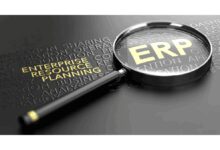
An ERP (Enterprise Resource Planning) system tailored for food manufacturing integrates all core business processes into a single, unified platform. Unlike generic ERP solutions, these are designed specifically to handle the unique demands of food production, such as batch tracking, shelf-life management, and compliance with food safety standards like FDA, FSMA, and HACCP.
Core Components of Food Manufacturing ERP
A specialized ERP for food manufacturing includes modules that address the entire production lifecycle—from raw material procurement to final product delivery. Key components include inventory management, production planning, quality control, traceability, compliance reporting, and financial management.
- Inventory and lot tracking for perishable goods
- Recipe and formula management
- Batch and batch genealogy tracking
- Real-time production monitoring
- Regulatory compliance and audit readiness
These components work together to ensure that food manufacturers can maintain high standards of quality, safety, and efficiency across operations.
How It Differs from Generic ERP Systems
While standard ERP systems are built for general manufacturing or service industries, an ERP for food manufacturing includes features that generic systems lack. For example, food-specific ERPs support lot traceability, expiration date tracking, and allergen management—critical for ensuring consumer safety and regulatory compliance.
“In the food industry, a single recall can cost millions and damage brand reputation irreparably. An ERP system with full traceability can reduce recall time from days to minutes.” — Food Safety Magazine
Additionally, food manufacturing ERPs often integrate with lab information management systems (LIMS) and support complex co-packing scenarios, which are common in the industry.
Why Food Manufacturers Need ERP Systems
The food manufacturing sector operates under intense pressure. Margins are tight, regulations are strict, and consumer expectations for quality and transparency are higher than ever. An ERP for food manufacturing isn’t just a luxury—it’s a necessity for staying competitive and compliant.
Complexity of Supply Chain Management
Food manufacturers deal with volatile supply chains involving seasonal ingredients, temperature-sensitive logistics, and multiple suppliers. Managing this complexity manually or with disconnected systems leads to inefficiencies, waste, and increased risk.
An ERP system centralizes supplier data, automates purchase orders, and provides real-time visibility into inventory levels. This reduces overstocking of perishable items and minimizes stockouts, ensuring production runs smoothly.
For example, if a batch of raw milk is delayed, the ERP can automatically adjust production schedules and notify quality control teams, preventing bottlenecks.
Rising Regulatory and Compliance Demands
Food safety regulations like the FDA’s Food Safety Modernization Act (FSMA), EU’s General Food Law, and SQF (Safe Quality Food) standards require detailed documentation and traceability. Non-compliance can result in fines, recalls, or even plant shutdowns.
An ERP for food manufacturing automates compliance reporting, maintains audit trails, and ensures that every batch can be traced from farm to fork. This not only reduces the risk of violations but also speeds up audit preparation.
erp for food manufacturing – Erp for food manufacturing menjadi aspek penting yang dibahas di sini.
According to the FDA, companies using traceable ERP systems can respond to food safety incidents 70% faster than those relying on manual records.
Top 7 Benefits of ERP for Food Manufacturing
Implementing the right ERP system can transform a food manufacturing operation. Here are seven powerful benefits that directly impact efficiency, compliance, and profitability.
1. Enhanced Traceability and Recall Management
One of the most critical features of an ERP for food manufacturing is end-to-end traceability. If a contamination issue arises, the system can instantly identify all affected batches, their distribution paths, and even specific retail locations.
This capability drastically reduces recall scope and cost. Instead of recalling an entire product line, manufacturers can isolate affected lots, minimizing financial loss and brand damage.
For instance, during a 2022 salmonella outbreak linked to peanut butter, a major brand using an ERP system was able to trace the contaminated batch to a single supplier within two hours, limiting the recall to just 5,000 jars instead of millions.
2. Improved Inventory and Shelf-Life Management
Perishable inventory is a major challenge in food manufacturing. Without proper tracking, businesses risk spoilage, waste, and lost revenue.
An ERP system tracks expiration dates, enforces FIFO (First In, First Out) or FEFO (First Expired, First Out) inventory rotation, and sends alerts when products are nearing their use-by date. This reduces waste and ensures fresher products reach consumers.
Some advanced ERPs even integrate with IoT sensors in cold storage units to monitor temperature in real time, triggering alerts if conditions fall outside safe ranges.
3. Streamlined Production Planning and Scheduling
Food production involves complex recipes, multiple batch runs, and co-packing arrangements. Managing this manually leads to scheduling conflicts, overproduction, and resource waste.
An ERP for food manufacturing uses real-time data to optimize production schedules, balance workloads, and reduce downtime. It can automatically adjust plans based on ingredient availability, equipment status, and order priorities.
This results in higher throughput, better resource utilization, and faster order fulfillment.
4. Real-Time Quality Control and Compliance Monitoring
Quality assurance is non-negotiable in food manufacturing. An ERP system integrates with quality control workflows, allowing teams to log test results, track deviations, and enforce corrective actions.
erp for food manufacturing – Erp for food manufacturing menjadi aspek penting yang dibahas di sini.
For example, if a batch of yogurt fails a pH test, the ERP can automatically quarantine the batch, notify the quality manager, and initiate a root cause analysis. All actions are documented for audit purposes.
This level of automation ensures consistent product quality and reduces the risk of non-compliant shipments.
5. Accurate Recipe and Formula Management
Food manufacturers often deal with complex recipes that include allergens, nutritional data, and co-packing variations. Managing these manually increases the risk of errors—like incorrect labeling or ingredient substitutions.
An ERP system stores digital recipes with full ingredient lists, allergen flags, and nutritional calculations. Any changes are version-controlled and require approval, ensuring consistency across batches.
This is especially valuable for companies producing private-label products for multiple retailers, where recipe accuracy is critical.
6. Financial and Cost Control Integration
Profitability in food manufacturing depends on tight cost control. An ERP for food manufacturing links production data with financial systems, providing real-time insights into cost of goods sold (COGS), labor efficiency, and overhead allocation.
Managers can analyze which products are most profitable, identify waste in specific production lines, and make data-driven pricing decisions.
For example, if the ERP shows that a particular flavor of granola is consuming 15% more honey than budgeted, the production team can investigate and adjust the recipe or process.
7. Scalability and Business Growth Support
As food manufacturers grow, their operational complexity increases. Adding new products, entering new markets, or acquiring other brands requires systems that can scale.
An ERP system provides a scalable foundation, supporting multi-site operations, multi-currency transactions, and integration with e-commerce platforms.
Cloud-based ERPs, in particular, allow companies to expand without heavy IT investments, making them ideal for mid-sized and growing food businesses.
Key Features to Look for in an ERP for Food Manufacturing
Not all ERP systems are created equal. When selecting an ERP for food manufacturing, it’s essential to evaluate specific features that address industry challenges.
erp for food manufacturing – Erp for food manufacturing menjadi aspek penting yang dibahas di sini.
Batch and Lot Traceability
The ability to track ingredients and finished products by batch or lot number is non-negotiable. A robust ERP should support forward and backward traceability—meaning you can trace a raw material to all finished products (backward) and a finished product to all its components (forward).
This is crucial for compliance with the FDA’s “one step forward, one step back” rule and for managing recalls efficiently.
Look for systems that generate traceability reports in seconds and integrate with barcode or RFID scanning for real-time data capture.
Shelf-Life and Expiration Tracking
Unlike other industries, food products have limited shelf lives. An ERP must track expiration dates, enforce rotation rules, and provide alerts for nearing expiry.
Advanced systems use predictive analytics to forecast demand and optimize inventory turnover, reducing spoilage and waste.
For example, if a batch of cheese is set to expire in 10 days, the ERP can prioritize its use in upcoming production runs or flag it for promotional pricing.
Allergen and Ingredient Management
Mislabeling allergens is one of the leading causes of food recalls. An ERP for food manufacturing must include allergen tracking, cross-contamination alerts, and automated label generation.
The system should flag recipes that contain common allergens (e.g., peanuts, dairy, gluten) and ensure that packaging labels reflect accurate information.
Some ERPs even integrate with regulatory databases to stay updated on labeling requirements in different regions.
How ERP Improves Compliance and Audit Readiness
Compliance is not optional in food manufacturing. Regulatory bodies require detailed records, and audits can happen with little notice. An ERP for food manufacturing turns compliance from a burden into a streamlined process.
Automated Documentation and Reporting
Manual record-keeping is time-consuming and error-prone. An ERP system automatically logs every transaction, test result, and production event, creating a digital audit trail.
When an auditor requests documentation, the system can generate comprehensive reports in minutes—covering everything from supplier certifications to batch test results.
erp for food manufacturing – Erp for food manufacturing menjadi aspek penting yang dibahas di sini.
This not only saves time but also increases confidence during audits, reducing the risk of non-conformance findings.
HACCP and FSMA Compliance Support
Hazard Analysis and Critical Control Points (HACCP) and the Food Safety Modernization Act (FSMA) require preventive controls and risk-based planning. An ERP system can embed HACCP plans directly into production workflows.
For example, the system can require temperature checks at critical control points and block production if parameters are not met. It can also schedule preventive maintenance for equipment to avoid contamination risks.
According to the USDA, companies using ERP systems for HACCP compliance report a 40% reduction in non-conformance incidents.
“Digital HACCP plans integrated into ERP systems ensure that food safety is built into every step of production, not just checked at the end.” — USDA Food Safety and Inspection Service
Integration with Other Systems and Technologies
An ERP for food manufacturing doesn’t operate in isolation. Its true power is unlocked when integrated with other technologies across the enterprise.
Integration with MES (Manufacturing Execution Systems)
While ERP handles planning and resource management, MES focuses on real-time shop floor control. Integrating ERP with MES provides a complete view of production—from high-level planning to machine-level execution.
For example, the ERP can send a production order to the MES, which then tracks machine performance, operator efficiency, and real-time output. Any deviations are fed back to the ERP for analysis and adjustment.
This integration improves accuracy, reduces downtime, and enhances overall equipment effectiveness (OEE).
IoT and Smart Sensors in Cold Chain Monitoring
Temperature control is critical for perishable foods. IoT sensors placed in storage units, refrigerated trucks, and production areas can feed real-time data into the ERP system.
If a freezer temperature rises above the safe threshold, the ERP can trigger an alert, log the event, and even initiate a quality hold on affected products.
This level of integration ensures that cold chain integrity is maintained from warehouse to delivery.
Cloud-Based ERP and Remote Access
Cloud-based ERP systems are becoming the standard for food manufacturers. They offer lower upfront costs, automatic updates, and remote access for teams across locations.
erp for food manufacturing – Erp for food manufacturing menjadi aspek penting yang dibahas di sini.
During the pandemic, companies with cloud ERP systems were able to maintain operations with remote teams, accessing production data, approving workflows, and monitoring compliance from anywhere.
Providers like Infor and IFS offer cloud-native ERP solutions specifically designed for food manufacturing.
Choosing the Right ERP for Your Food Manufacturing Business
Selecting the right ERP system is a strategic decision that requires careful evaluation. It’s not just about features—it’s about fit, scalability, and long-term value.
Assessing Your Business Needs
Start by mapping your current processes: procurement, production, quality control, inventory, and compliance. Identify pain points—such as manual data entry, frequent stockouts, or slow recall responses.
Define your goals: Are you looking to reduce waste? Improve traceability? Expand into new markets? Your objectives will guide the selection process.
Engage key stakeholders—production managers, quality teams, finance, and IT—to ensure the ERP meets everyone’s needs.
Vendor Evaluation and Implementation Strategy
Not all ERP vendors specialize in food manufacturing. Look for vendors with proven industry experience, such as SAP, Oracle, or Aptean. Request case studies and customer references from similar food manufacturers.
Consider the implementation approach: phased rollout vs. big bang. A phased approach—starting with inventory and production modules—reduces risk and allows teams to adapt gradually.
Ensure the vendor provides training, support, and a clear timeline for go-live.
Total Cost of Ownership and ROI Analysis
ERP systems involve upfront licensing fees, implementation costs, and ongoing maintenance. Cloud-based systems typically have lower upfront costs but recurring subscription fees.
Calculate the total cost of ownership (TCO) over 5 years, including hardware, training, and customization.
Estimate ROI by quantifying expected savings: reduced waste, faster recalls, lower labor costs, and improved compliance. Many food manufacturers see ROI within 18–24 months.
erp for food manufacturing – Erp for food manufacturing menjadi aspek penting yang dibahas di sini.
For example, a mid-sized dairy processor reported a 30% reduction in inventory waste and a 50% decrease in audit preparation time after ERP implementation, achieving full ROI in 20 months.
What is ERP for food manufacturing?
An ERP for food manufacturing is a specialized software system that integrates core business processes—such as production, inventory, quality control, and compliance—into a single platform tailored to the unique needs of food producers, including batch tracking, shelf-life management, and regulatory compliance.
How does ERP improve food safety and traceability?
ERP systems enhance food safety by providing end-to-end traceability, enabling instant tracking of ingredients and finished products. In case of contamination, manufacturers can quickly identify affected batches, reducing recall scope and response time from days to minutes.
Can small food manufacturers benefit from ERP systems?
Yes, especially with cloud-based ERP solutions that offer scalable, subscription-based pricing. Small manufacturers can gain better inventory control, improve compliance, and scale operations without heavy IT investments.
What are the key features to look for in a food manufacturing ERP?
Key features include batch and lot traceability, shelf-life and expiration tracking, allergen management, recipe control, compliance reporting (HACCP, FSMA), integration with MES and IoT, and real-time quality monitoring.
How long does ERP implementation take for a food manufacturing company?
Implementation time varies based on company size and complexity. Small to mid-sized companies typically take 6–12 months, while larger enterprises may require 12–18 months. A phased rollout helps minimize disruption.
Implementing an ERP for food manufacturing is no longer optional—it’s a strategic imperative. From enhancing traceability and compliance to reducing waste and improving profitability, the right ERP system transforms how food manufacturers operate. By choosing a solution tailored to industry-specific needs, companies can ensure food safety, meet regulatory demands, and scale efficiently in a competitive market. The investment pays off not just in dollars, but in brand trust, operational resilience, and long-term growth.
erp for food manufacturing – Erp for food manufacturing menjadi aspek penting yang dibahas di sini.
Further Reading:
