Finding the best ERP for wholesale distributors can transform your business. From inventory control to seamless order processing, the right system boosts efficiency, cuts costs, and scales with growth—discover the top 7 solutions that dominate the market.
Why the Best ERP for Wholesale Distributors Is a Game-Changer

Wholesale distribution operates in a high-velocity environment where inventory turnover, order accuracy, and supply chain visibility are critical. Without the right tools, businesses risk stockouts, overstocking, delayed shipments, and poor customer service. This is where an ERP (Enterprise Resource Planning) system becomes indispensable. The best ERP for wholesale distributors integrates core operations—inventory, sales, finance, procurement, and logistics—into a single, unified platform. This integration eliminates data silos, reduces manual errors, and provides real-time insights for smarter decision-making.




Challenges Faced by Wholesale Distributors
Wholesale distributors manage complex operations that involve multiple suppliers, fluctuating demand, diverse product lines, and tight delivery windows. Common pain points include:
- Inaccurate inventory tracking leading to overstocking or stockouts
- Manual order processing causing delays and errors
- Lack of real-time visibility into sales and supply chain performance
- Difficulty scaling operations due to outdated or fragmented systems
- Compliance issues with tax, shipping, and regulatory requirements
These challenges can severely impact profitability and customer satisfaction. According to a report by Gartner, companies that implement ERP systems see a 20-30% improvement in operational efficiency within the first year.
How ERP Solves Distribution Challenges
The best ERP for wholesale distributors addresses these pain points by automating workflows and centralizing data. For example, real-time inventory tracking ensures that stock levels are always accurate, reducing the risk of overselling. Automated order processing speeds up fulfillment, while integrated financials ensure that invoicing and payments are handled seamlessly. Additionally, advanced reporting tools provide actionable insights into sales trends, supplier performance, and customer behavior.
“ERP systems are no longer a luxury—they are a necessity for wholesale distributors aiming to stay competitive in a digital-first marketplace.” — Industry Analyst, Supply Chain Dive
Top 7 ERP Systems for Wholesale Distributors in 2024
Choosing the best ERP for wholesale distributors requires evaluating features, scalability, integration capabilities, and industry-specific functionality. After extensive research and analysis of user reviews, expert ratings, and vendor performance, we’ve compiled a list of the top 7 ERP solutions tailored for wholesale distribution businesses.
1. NetSuite ERP by Oracle
NetSuite is widely regarded as one of the best ERP for wholesale distributors due to its cloud-based architecture, scalability, and comprehensive feature set. It offers robust inventory management, order processing, financials, and CRM—all in a single platform.
- Real-time inventory tracking across multiple locations
- Advanced demand planning and forecasting tools
- Seamless integration with e-commerce platforms like Shopify and Magento
- Global financial management with multi-currency and tax compliance
NetSuite’s strength lies in its ability to scale with growing businesses. Whether you’re a mid-sized distributor or a large enterprise, NetSuite adapts to your needs. It also offers industry-specific modules for wholesale distribution, including vendor-managed inventory (VMI) and drop-shipping support. Learn more at NetSuite’s official page.
2. SAP Business One
SAP Business One is a powerful ERP solution designed for small to mid-sized wholesale distributors. It provides deep functionality in inventory, sales, and financial management, with strong analytics and reporting capabilities.
- Integrated inventory and warehouse management
- Automated purchase order and sales order processing
- Real-time dashboards for KPI tracking
- Mobile access for field sales and warehouse staff
One of SAP Business One’s standout features is its ability to handle complex pricing models, such as tiered pricing, volume discounts, and customer-specific pricing. This is crucial for distributors dealing with diverse customer bases. The system also supports integration with SAP’s larger ecosystem, making it a future-proof choice. Explore more at SAP’s official site.
3. Microsoft Dynamics 365 Business Central
Microsoft Dynamics 365 Business Central is a cloud-based ERP that combines financials, operations, sales, and customer service into one intelligent system. It’s particularly popular among wholesale distributors already using Microsoft 365 tools.
- Seamless integration with Outlook, Excel, and Power BI
- AI-driven insights for demand forecasting and inventory optimization
- Flexible deployment options (cloud or on-premise)
- Strong supply chain and logistics management
Business Central excels in user experience and ease of adoption. Its intuitive interface reduces training time, and its integration with Microsoft’s ecosystem enhances productivity. For example, sales teams can create quotes directly from Outlook, and finance teams can analyze data in Excel with live ERP connectivity. Visit Microsoft’s Dynamics 365 page for more details.
Key Features to Look for in the Best ERP for Wholesale Distributors
Not all ERP systems are created equal. To identify the best ERP for wholesale distributors, you must evaluate specific features that align with your operational needs. These features ensure that the system supports your current processes and can scale with future growth.
Real-Time Inventory Management
Accurate inventory tracking is the backbone of wholesale distribution. The best ERP for wholesale distributors provides real-time visibility into stock levels across multiple warehouses, retail locations, and distribution centers.
- Barcode and RFID scanning for accurate stock counts
- Automated reorder point alerts to prevent stockouts
- Batch and serial number tracking for traceability
- Integration with warehouse management systems (WMS)
Systems like NetSuite and SAP Business One offer advanced inventory modules that support multi-location tracking, lot control, and expiration date management—critical for food, pharmaceutical, and chemical distributors.
Order and Fulfillment Automation
Manual order processing is time-consuming and error-prone. The best ERP for wholesale distributors automates the entire order lifecycle—from quote to cash.
- Automated order entry and validation
- Integrated shipping and carrier management (e.g., UPS, FedEx)
- Drop-shipping and vendor-managed inventory (VMI) support
- Customer self-service portals for order tracking
Automation reduces processing time, improves accuracy, and enhances customer satisfaction. For example, Dynamics 365 Business Central allows distributors to set up automated workflows that trigger shipping labels, invoices, and notifications upon order confirmation.
Scalability and Cloud-Based Deployment
As your business grows, your ERP system must grow with you. Scalability is a critical factor when selecting the best ERP for wholesale distributors. A scalable ERP can handle increased transaction volumes, additional users, and expanded product lines without performance degradation.
Cloud vs. On-Premise ERP
Most modern ERP systems are cloud-based, offering several advantages over traditional on-premise solutions:
- Lower upfront costs and predictable subscription pricing
- Faster deployment and easier updates
- Remote access from any device with internet connectivity
- Automatic backups and enhanced security
Cloud ERP systems like NetSuite and Dynamics 365 are ideal for wholesale distributors with remote teams, multiple locations, or plans for rapid expansion. They also reduce the burden on internal IT staff, as the vendor handles maintenance and upgrades.
Modular Architecture for Future Growth
The best ERP for wholesale distributors offers a modular design, allowing you to start with core functionalities (e.g., inventory and finance) and add modules as needed (e.g., CRM, e-commerce, advanced analytics).
- Add-on modules for e-commerce integration
- Advanced analytics and business intelligence tools
- Human resources and payroll management
- Field service and asset management
This flexibility ensures that your ERP investment remains relevant as your business evolves. For instance, a distributor starting with basic inventory control can later integrate a CRM module to improve customer relationship management.
Integration Capabilities with Third-Party Systems
Wholesale distributors rely on various third-party applications—e-commerce platforms, accounting software, shipping carriers, and CRM tools. The best ERP for wholesale distributors offers robust integration capabilities to ensure seamless data flow across systems.
E-Commerce and Marketplace Integration
With the rise of B2B e-commerce, distributors need ERP systems that integrate with platforms like Shopify, Amazon, eBay, and BigCommerce.
- Synchronized product catalogs and pricing
- Automated order import and fulfillment
- Real-time inventory updates across channels
- Customer account and order history syncing
NetSuite, for example, offers pre-built connectors for major e-commerce platforms, enabling distributors to manage online and offline sales from a single dashboard.
Accounting and Financial System Sync
Accurate financial reporting is essential for compliance and strategic planning. The best ERP for wholesale distributors integrates with accounting systems like QuickBooks, Xero, or Sage.
- Automated journal entries and reconciliation
- Multi-currency and multi-language support
- Advanced budgeting and forecasting tools
- Tax compliance and regulatory reporting
Dynamics 365 Business Central natively includes financial management features, reducing the need for third-party accounting software. However, it can still integrate with external systems for hybrid setups.
User Experience and Training Requirements
Even the most powerful ERP system is ineffective if users struggle to adopt it. The best ERP for wholesale distributors prioritizes user experience (UX) and provides comprehensive training resources.
Intuitive Interface and Mobile Access
A user-friendly interface reduces training time and increases productivity. Look for systems with:
- Customizable dashboards and role-based views
- Drag-and-drop workflow builders
- Mobile apps for warehouse staff and sales teams
- Voice-enabled search and navigation
Microsoft Dynamics 365, for instance, offers a clean, modern interface that resembles familiar Microsoft Office applications, making it easier for employees to adapt.
Vendor Support and Training Programs
ERP implementation can be complex. Choose a vendor that offers:
- Dedicated onboarding specialists
- Online training portals and video tutorials
- 24/7 customer support
- Community forums and user groups
SAP Business One provides a global network of certified partners who assist with implementation, customization, and training—ensuring a smooth transition.
Total Cost of Ownership (TCO) Analysis
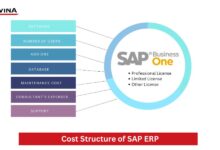
When evaluating the best ERP for wholesale distributors, it’s essential to consider the total cost of ownership (TCO), not just the initial price. TCO includes licensing, implementation, training, maintenance, and potential customization costs.
Subscription vs. Perpetual Licensing
Cloud-based ERPs typically use a subscription model (SaaS), while on-premise systems may require a perpetual license.
- Subscription: Lower upfront cost, predictable monthly fees, includes updates and support
- Perpetual: Higher initial investment, ongoing maintenance fees, but full control over the system
For most wholesale distributors, the subscription model offers better value, especially with cloud ERPs like NetSuite and Dynamics 365.
Hidden Costs to Watch For
Be aware of potential hidden costs:
- Data migration and system integration fees
- Customization and add-on module pricing
- Training and change management expenses
- Support beyond standard service levels
Always request a detailed quote and ask vendors to break down all costs before signing a contract.
Case Studies: Real-World Success with the Best ERP for Wholesale Distributors
Real-world examples demonstrate how the best ERP for wholesale distributors can drive tangible results. Here are two success stories:
Case Study 1: National Beverage Distributor
A mid-sized beverage distributor in the U.S. struggled with inventory inaccuracies and delayed order fulfillment. After implementing NetSuite ERP, they achieved:
- 30% reduction in stockouts
- 25% faster order processing time
- Improved financial reporting accuracy by 40%
The system’s real-time inventory tracking and automated workflows were key to their success.
Case Study 2: Industrial Parts Distributor
An industrial parts distributor in Canada used SAP Business One to streamline operations across three warehouses. Results included:
- 20% reduction in carrying costs
- 15% increase in on-time deliveries
- Enhanced customer service through better order visibility
The ERP’s integration with their CRM and shipping systems played a crucial role in improving efficiency.
What is the best ERP for wholesale distributors in 2024?
The best ERP for wholesale distributors in 2024 depends on your business size, budget, and specific needs. However, top contenders include NetSuite, SAP Business One, and Microsoft Dynamics 365 Business Central, all offering robust inventory, order, and financial management tailored for distribution.
How much does an ERP system cost for a wholesale distributor?
Costs vary widely. Cloud-based ERPs like NetSuite start at around $999/month for mid-sized businesses, while SAP Business One and Dynamics 365 range from $700–$1,500/month. Implementation and training can add $10,000–$50,000 depending on complexity.
Can ERP systems integrate with e-commerce platforms?
Yes, the best ERP for wholesale distributors offers seamless integration with e-commerce platforms like Shopify, Amazon, and BigCommerce, enabling synchronized inventory, orders, and customer data across channels.
Is cloud ERP better than on-premise for distributors?
For most wholesale distributors, cloud ERP is better due to lower upfront costs, faster deployment, automatic updates, and remote accessibility—making it ideal for businesses with multiple locations or remote teams.
How long does ERP implementation take for a distribution company?
Implementation typically takes 3 to 6 months for cloud ERPs, depending on data complexity, customization needs, and team readiness. Proper planning and vendor support can shorten the timeline.
Selecting the best ERP for wholesale distributors is a strategic decision that impacts every aspect of your business. From real-time inventory control to seamless order automation and financial integration, the right system enhances efficiency, scalability, and customer satisfaction. While NetSuite, SAP Business One, and Microsoft Dynamics 365 lead the market, the ideal choice depends on your unique operational needs and growth goals. By evaluating features, costs, and vendor support, you can make an informed decision that drives long-term success.
Further Reading:
